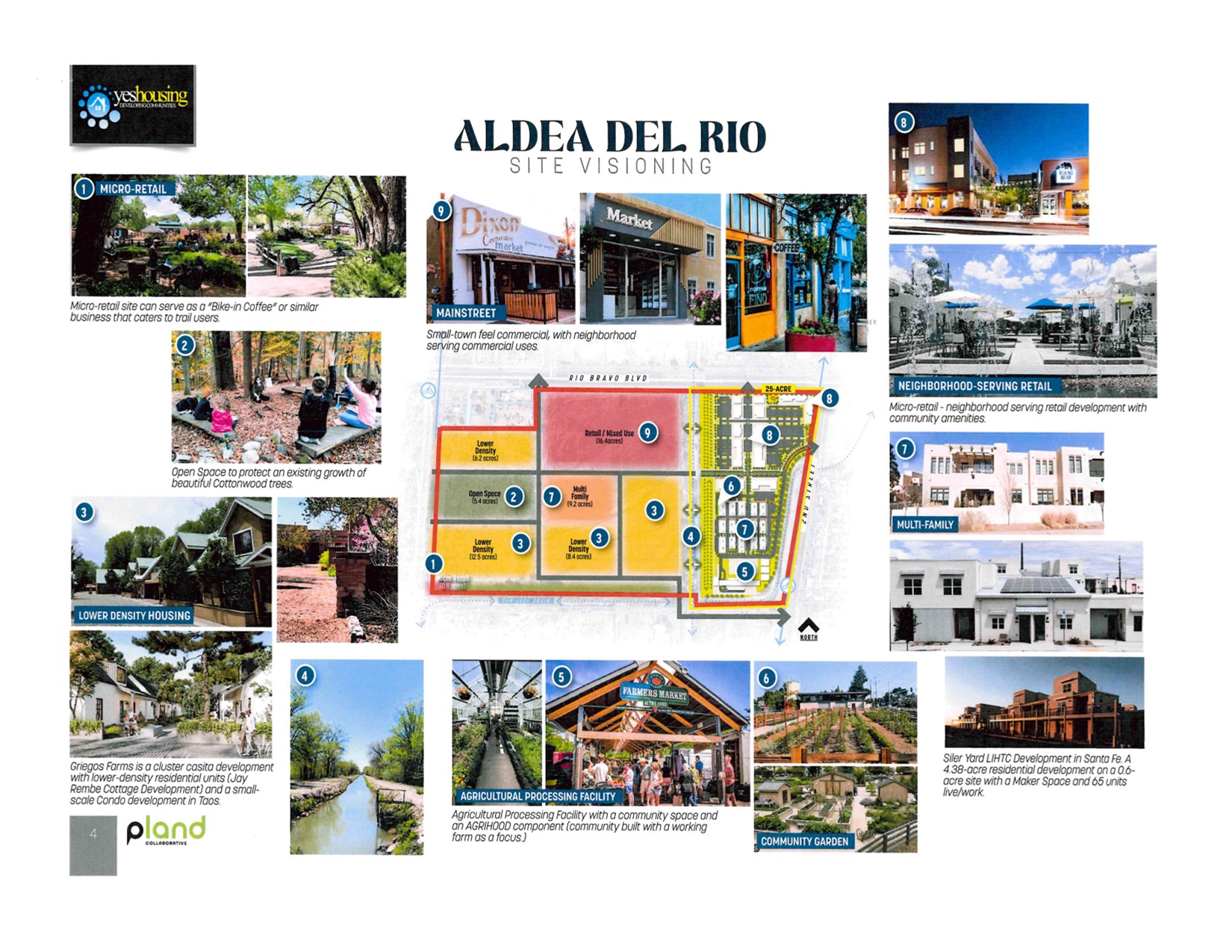
Aldea del Rio - A New Community Design Philosophy
–Density alone is not the sole determinant of sustainable, healthy, and livable cities. What’s necessary is the seamless integration of compactness and diversity into urban community form.
-Compactness promotes walkability, facilitates short distances to services, and optimizes infrastructure. Diversity ensures a harmonious blend of housing, shops, workplaces, green spaces, and social functions, fostering vibrant and inclusive communities. Together, these elements contribute to healthier lifestyles, stronger social connections, and reduced environmental impacts.
-Community sustainability is not solely determined by its density; it is achieved when it is designed with people, proximity, and a diverse range of uses in mind. The true measure of a city lies not in its buildings but in the quality of life that transpires between them. We must emphasize the significance of streets, squares, and sidewalks as essential social spaces where people can walk, sit, engage in conversations, and interact. When cities prioritize human scale, walkability, comfort, and safety, public life naturally flourishes.
-Everyone should have access to opportunities, culture, services, and communities within our city. Achieving this vision requires our leaders to adopt a sustainable, equitable, holistic approach to mobility, centered around high-quality, safe, and reliable transit corridors. However, transport alone is insufficient. A truly inclusive community integrates land use, infrastructure, and amenities that cater to all residents, particularly the most vulnerable.
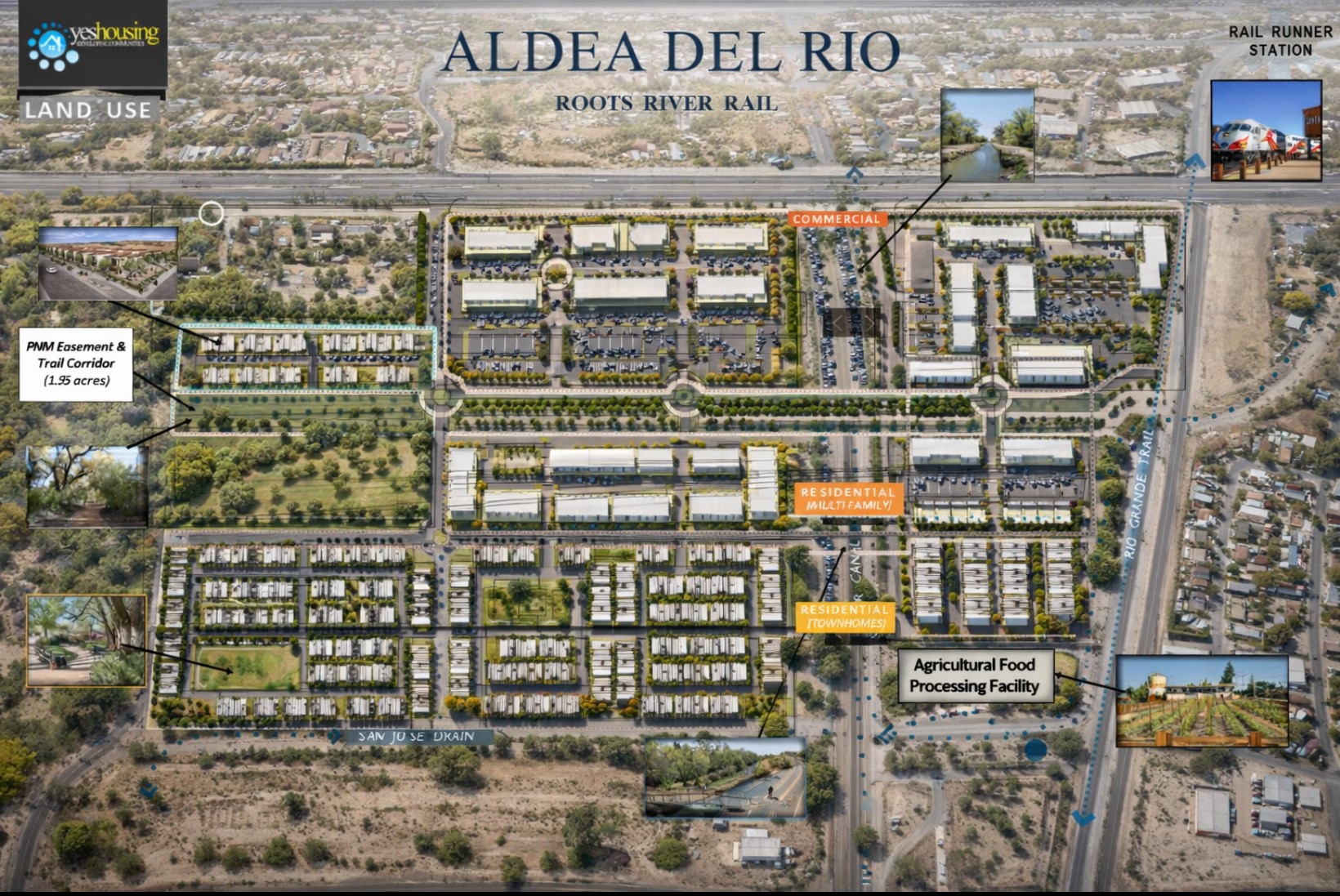
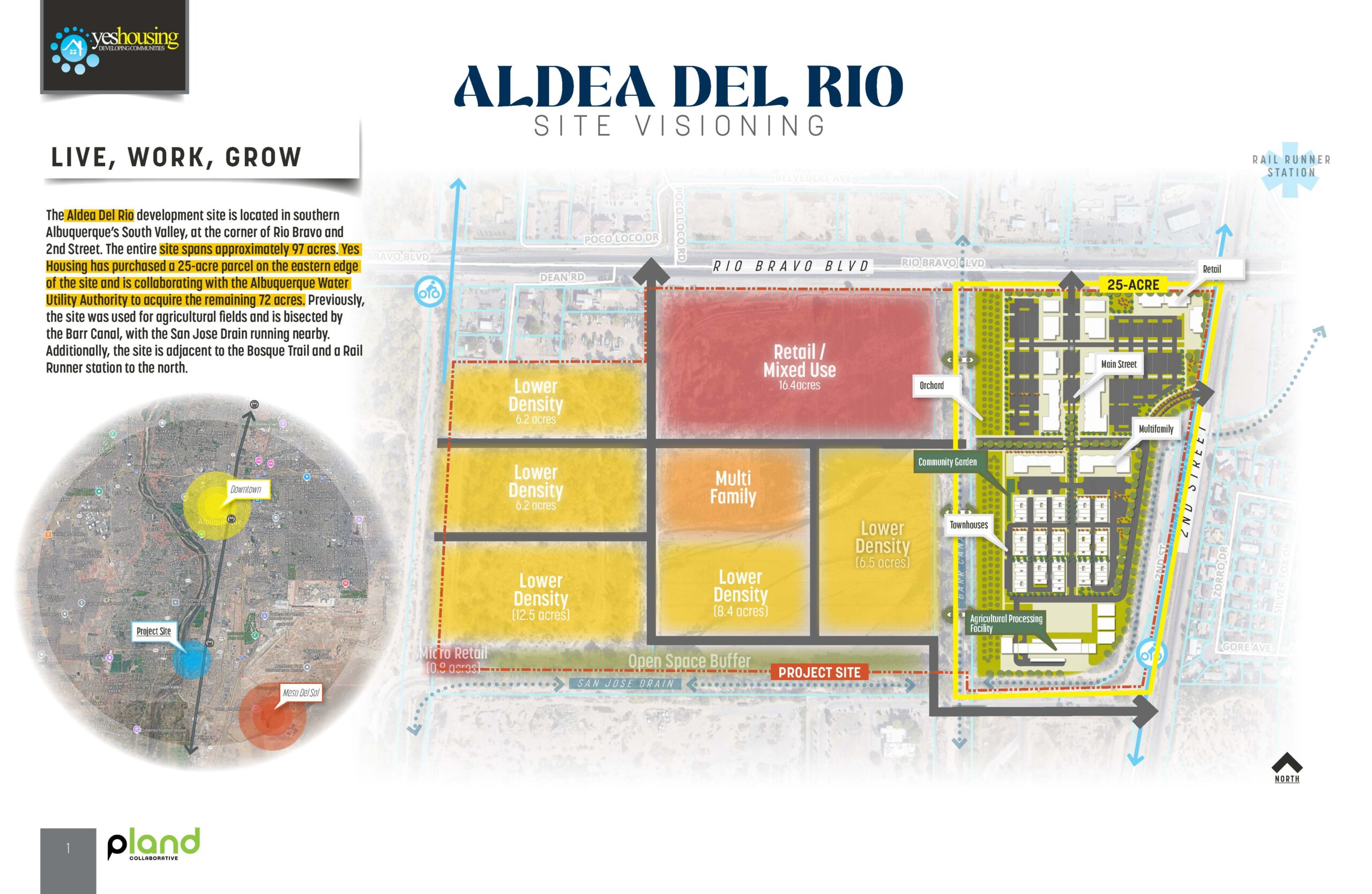
Goal – To Remove 97 acres from M-2 Zoning and convert the site into a sustainable and habitable community in a low-income, majority Hispanic, environmentally distressed area of Bernalillo County.
Purpose – The purpose of developing a green centered neighborhood is to demonstrate that a well planned strategy can transform a community beset with environmental issues and poor health outcomes into a health-driven and sustainable living environment.
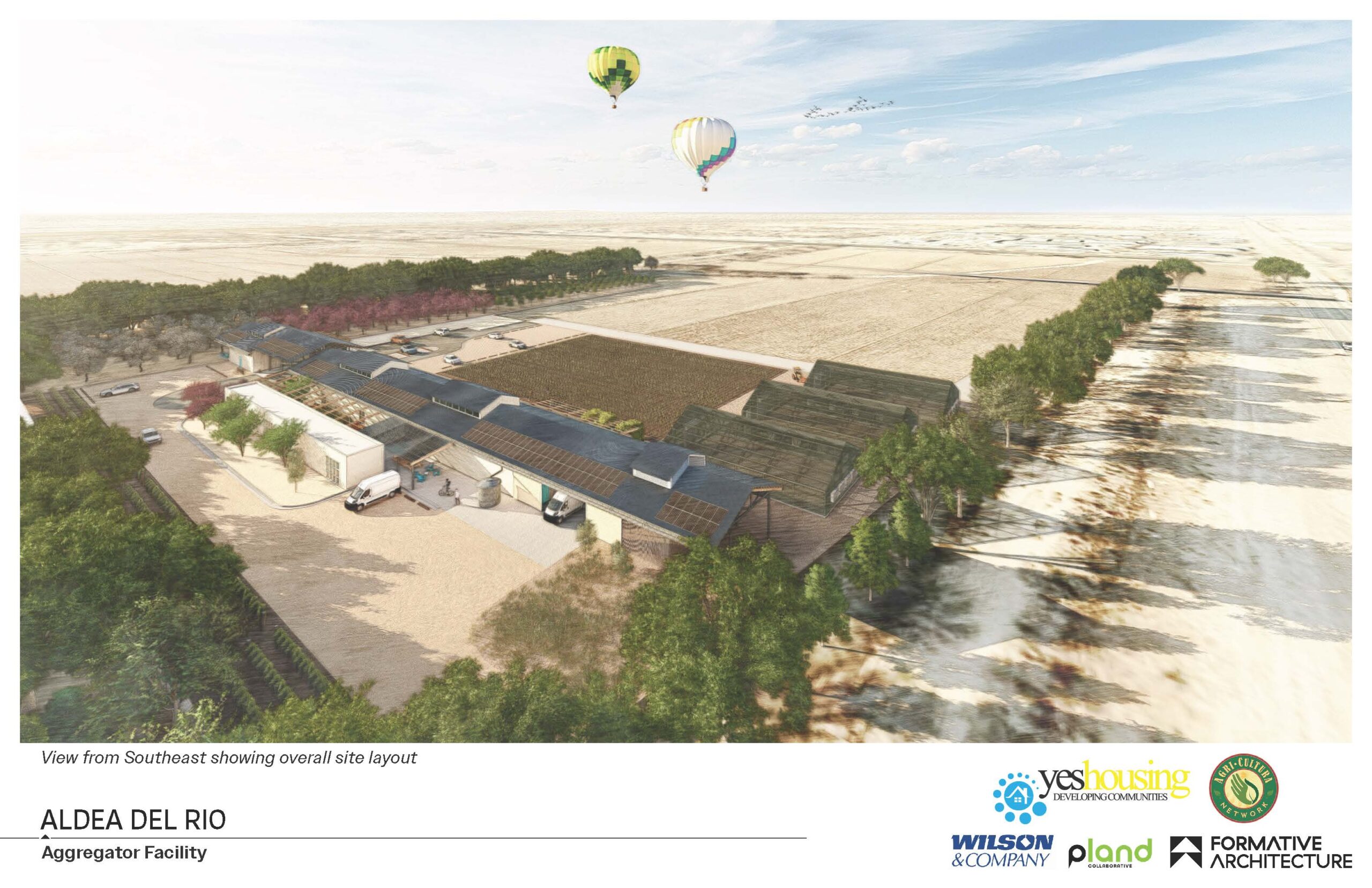
Objective – To build a community with a small farm as its anchor and to connect to other small farms, build infrastructure to accommodate the development of a neighborhood based on renewable energy; make the site green with landscapes of edible fruiting and nut-bearing trees; reuse water from the nearby water treatment facility; connect the site to a rail runner train station to transport inhabitants and workers to a 120 mile corridor that connects from Belen to Santa Fe, New Mexico; bring new LEED-certified affordable and workforce housing; create a market for green grocers and retail needed by the greater community; connect to the existing walking/bike trails that bisect the City; and help mitigate the environmental impact of the heavy industrial users that border the greater community.
Impacts – Job creation initiatives in projects like our agricultural centered, sustainable developments, are highly impactful. They not only provide affordable housing, connectivity to
bike and walk trails, and public transportation but they also support local economies, enhance food security, and contribute to environmental sustainability. By addressing
multiple community needs, such projects create a positive ripple effect throughout the local area.